Alternator Generator Maintenance Tips for Extended Service Life
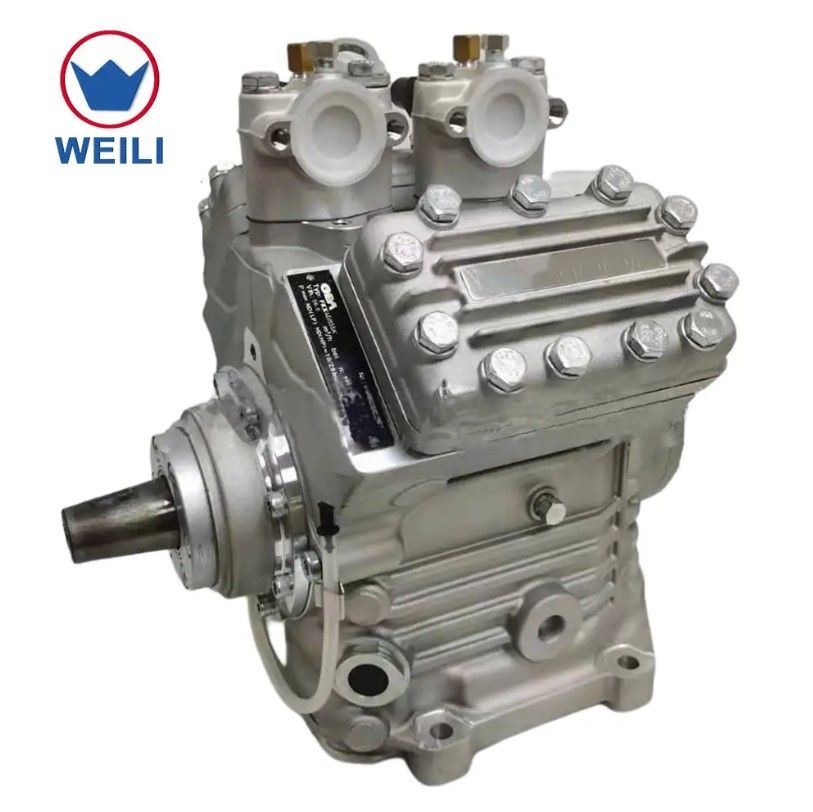
The alternator generator is one of the hardest-working components in any bus or commercial truck powertrain — converting mechanical rotation from the engine drive belt into the continuous electrical power that every onboard system depends on, hour after hour, across hundreds of thousands of kilometers of commercial service. Yet despite its critical role, the alternator generator is frequently one of the most neglected items on fleet maintenance schedules. Implementing a structured alternator generator maintenance program costs very little in technician time and consumables, but it delivers measurable improvements in fleet reliability, reduces unplanned downtime events from electrical failures, and extends the mean service interval between alternator replacements significantly.
The foundation of effective alternator generator maintenance is regular output testing at defined intervals — typically every 40,000 to 60,000 kilometers for buses operating in high-ambient-temperature climates where alternator thermal loading is severe. A proper alternator output test uses an inductive clamp ammeter and a calibrated digital voltmeter to measure actual output current and voltage simultaneously at idle and at cruise engine speed with the A/C system operating at full load. This test takes less than ten minutes per vehicle and generates a data record that allows fleet engineers to track the gradual output decline pattern that characterizes normal alternator wear — and to schedule preventive replacement before the alternator reaches the failure threshold rather than after it leaves a bus stranded with discharged batteries and a failed A/C system in summer heat.
Drive Belt and Pulley Inspection
The alternator generator derives its rotation from the engine drive belt — typically a serpentine or V-ribbed belt that also drives the air conditioning compressor, power steering pump, and water pump. Belt tension directly affects the alternator's charging efficiency: a loose or glazed belt slips under the high torque load of alternator current generation, reducing effective output current and creating heat from belt surface slip that accelerates both belt and alternator pulley wear. Inspect the drive belt at every service interval for cracking, glazing, fraying, and correct tension. Replace the belt at the manufacturer's specified replacement interval, and never allow a belt to run to the point of visible deterioration — a belt that snaps in service simultaneously disables the alternator generator, A/C compressor, and water pump, transforming a minor maintenance item into a major roadside emergency.
Brush and Bearing Service Intervals
Brush-type alternator generators — including the Prestolite 8SC series widely used in bus A/C applications — have carbon brushes that gradually wear as they maintain electrical contact with the rotating slip ring. The wear rate depends on current loading and operating temperature. Most bus alternator generators require brush inspection at 150,000 to 200,000-kilometer intervals, with replacement whenever measured brush length falls below the manufacturer's minimum specification. Bearings should be replaced simultaneously with brush service, as the thermal cycles and continuous operation that wear brushes to minimum length typically bring bearings to the end of their fatigue life at approximately the same interval.
Keeping the Alternator Cool and Clean
Heat is the primary enemy of alternator generator longevity. The stator windings, diode rectifier pack, and electronic voltage regulator all degrade measurably faster at elevated temperatures. Ensure the alternator housing ventilation slots are clear of road dirt, leaves, and debris that restrict airflow through the self-cooling fan inside the alternator. In buses parked in direct sun where the engine bay reaches extreme temperatures, providing even modest additional airflow across the alternator housing can extend stator insulation life by years. Sourcing quality replacement alternators and components — including brushes, regulators, and stator coils — from a trusted supplier like Hunan Weili Auto Parts ensures that every maintenance part meets the original specification and performs as expected through its rated service interval.