Hot Cold Breast Pack: A Nursing Mother's Essential Comfort Companion
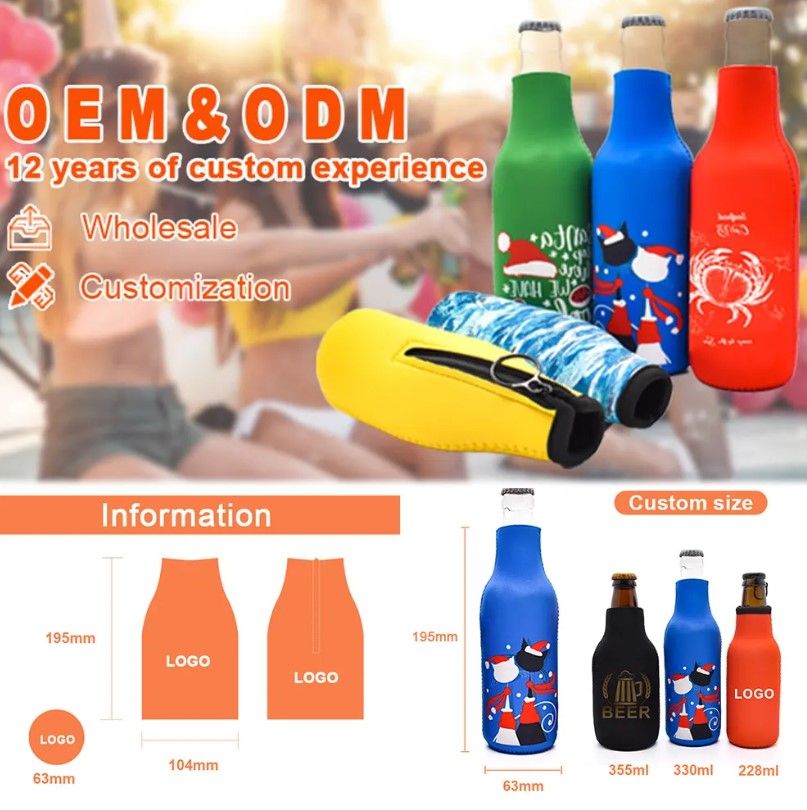
Many people pick up Coozies because they look fun, feel good in the hand, and are inexpensive. What they often discover only after using one is that quality neoprene coozies deliver genuinely measurable thermal performance — keeping drinks colder for significantly longer than is possible without insulation, especially in hot weather. Understanding the science behind why this happens helps buyers make better purchasing decisions and helps gift-givers communicate the genuine value behind what might look like a simple novelty item.
Heat Transfer: The Enemy of Cold Drinks
A cold beverage loses its chill through three primary heat transfer mechanisms: conduction (heat flowing from your warm hand directly into the cold can), convection (warm air circulating around the can surface, transferring heat), and radiation (infrared energy from sunlight and surrounding warm objects warming the metal directly). Each of these mechanisms operates simultaneously every second your drink is exposed without insulation. The rate of warming accelerates as the can temperature approaches ambient — so the last degrees of coldness are lost fastest.
How Neoprene Addresses All Three Mechanisms
Closed-cell neoprene foam is an effective barrier against all three heat transfer mechanisms. Its extremely low thermal conductivity (approximately 0.04–0.06 W/m·K, similar to expanded polystyrene) slows conductive heat transfer from hand to can dramatically. The snug fit around the can minimizes the volume of air that can circulate between the sleeve and can surface, reducing convective heat transfer. And the opaque neoprene material absorbs and reflects some of the infrared radiation that would otherwise heat the metal surface directly. The combination of these three effects is why a well-insulated neoprene coozie genuinely extends cold drink enjoyment time rather than merely providing a tactile improvement.
Thickness Matters: 3mm vs. 5mm Coozies
Neoprene coozies are typically manufactured in 3mm and 5mm wall thickness. The thermal advantage of 5mm over 3mm is measurable — in hot outdoor conditions (30°C+), a 5mm neoprene coozie can extend cold drink hold time by an additional 15–25% compared to 3mm. For casual indoor use, 3mm provides adequate performance with a slightly lighter, more compact feel. For outdoor entertaining in summer heat — barbecues, beach days, tailgating — 5mm is the specification worth choosing. The incremental material cost is minimal, and the performance difference in peak conditions is significant.
Testing Coozie Performance: A Simple Field Test
- Chill two identical cans to the same temperature in a refrigerator (ideally 4°C)
- Place one in a quality neoprene coozie; leave the other bare
- Measure both at 15, 30, and 45-minute intervals using a probe thermometer
- In 30°C ambient conditions, expect the coozied can to be 4–8°C colder than the bare can at the 30-minute mark
Washing and Maintaining Your Neoprene Coozie
Neoprene coozies are easy to maintain — hand wash in cool water with mild soap, rinse thoroughly, and allow to air dry. Avoid machine washing, tumble drying, or high-heat environments that can degrade the closed-cell foam structure over time. Properly maintained, a quality neoprene coozie will deliver consistent performance for 3–5 years of regular use — making it an exceptional value compared to any disposable alternative.