Installing Oil Seals Correctly: A Step-by-Step Practical Guide
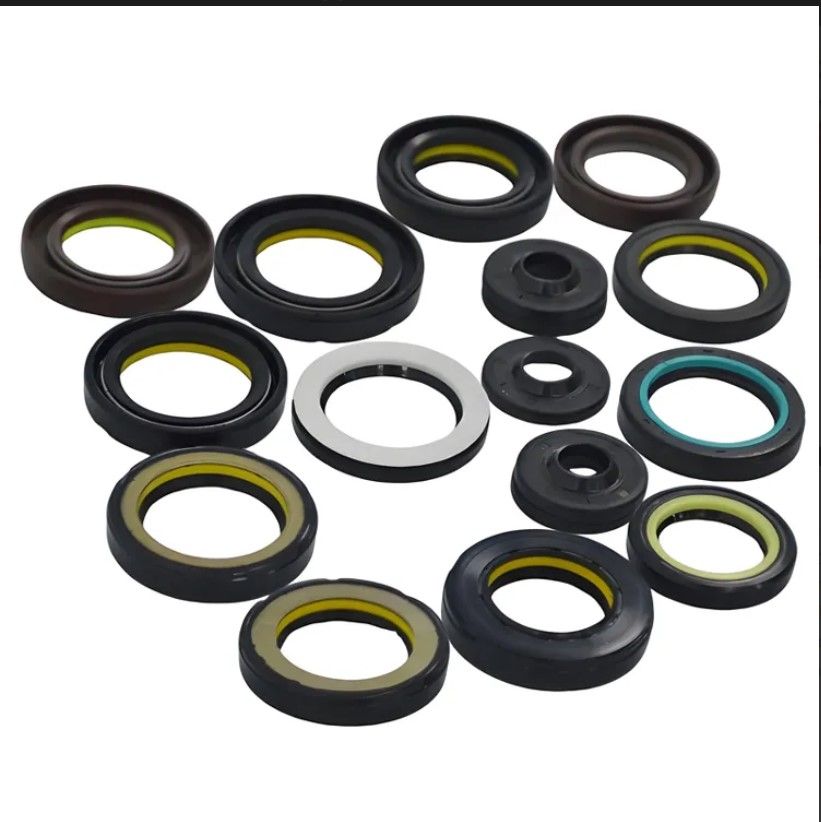
Even the highest-quality oil seal will fail immediately if installed incorrectly. Poor installation is one of the leading causes of premature seal failure in both workshop and field environments. This step-by-step guide covers the correct procedure for installing lip seals and O ring-type seals to ensure full service life is achieved from every component.
Before You Start: Preparation Is Everything
Inspect the shaft surface carefully before fitting any shaft oil seal. The sealing contact zone must be smooth, free from corrosion, burrs, and wear grooves. Surface finish in the 0.2–0.8 μm Ra range is ideal — too smooth and the seal cannot maintain its lubrication film; too rough and lip wear accelerates. Any sharp edges on the shaft end — particularly keyways and splines — must be chamfered or covered with an installation sleeve before the seal is slid into position.
Step 1: Lubricate the Seal Lip
Apply a thin film of the same oil or grease used in the machine to the sealing lip before installation. This prevents dry running on initial startup, which can burn the lip before the lubricant circulates. For an auto oil seal, use the grade of engine oil or ATF that the system contains. For a sealing ring or O ring, apply a compatible fluid or petroleum jelly to ease installation without distorting the cross-section.
Step 2: Press the Seal Squarely into the Bore
A TC oil seal must be pressed squarely into the housing bore — any angular misalignment during pressing will distort the steel case, creating a leak path around the outer diameter. Use a flat installation tool or stepped mandrel that contacts only the outer casing, not the lip. Apply steady, even force — never hammer the seal directly with a drift, as this deforms the case and damages the lip. Drive the seal flush with or slightly below the housing face, according to the manufacturer's specification.
Common Mistake
Installing a seal too deeply into the bore can compress the lip against the back face of the housing, distorting the lip geometry and causing immediate leakage. Always check the specified installation depth before pressing.
Step 3: Verify Alignment After Installation
Once the rubber oil seal is seated, rotate the shaft by hand before running the machine. Observe whether the lip is running concentrically on the shaft surface. Any visible wobble suggests shaft misalignment, bearing clearance, or seal damage — all of which must be resolved before startup.
Step 4: Initial Running Period
During the first few hours of operation after fitting a new seal from a reputable oil seal factory or trusted oil seals suppliers, monitor for any weeping at the seal face. A minute amount of initial seepage is normal as the lip beds in; sustained leakage indicates a problem. The quality standards maintained by certified oil seal manufacturers mean that a correctly installed seal should settle quickly and run leak-free from the start. Regardless of oil seal price, correct installation is the final factor that determines whether the component delivers its full service life.